Skills You Learn During a Neurosurgery Fellowship
Med Fellow Academy
Medical Education Experts
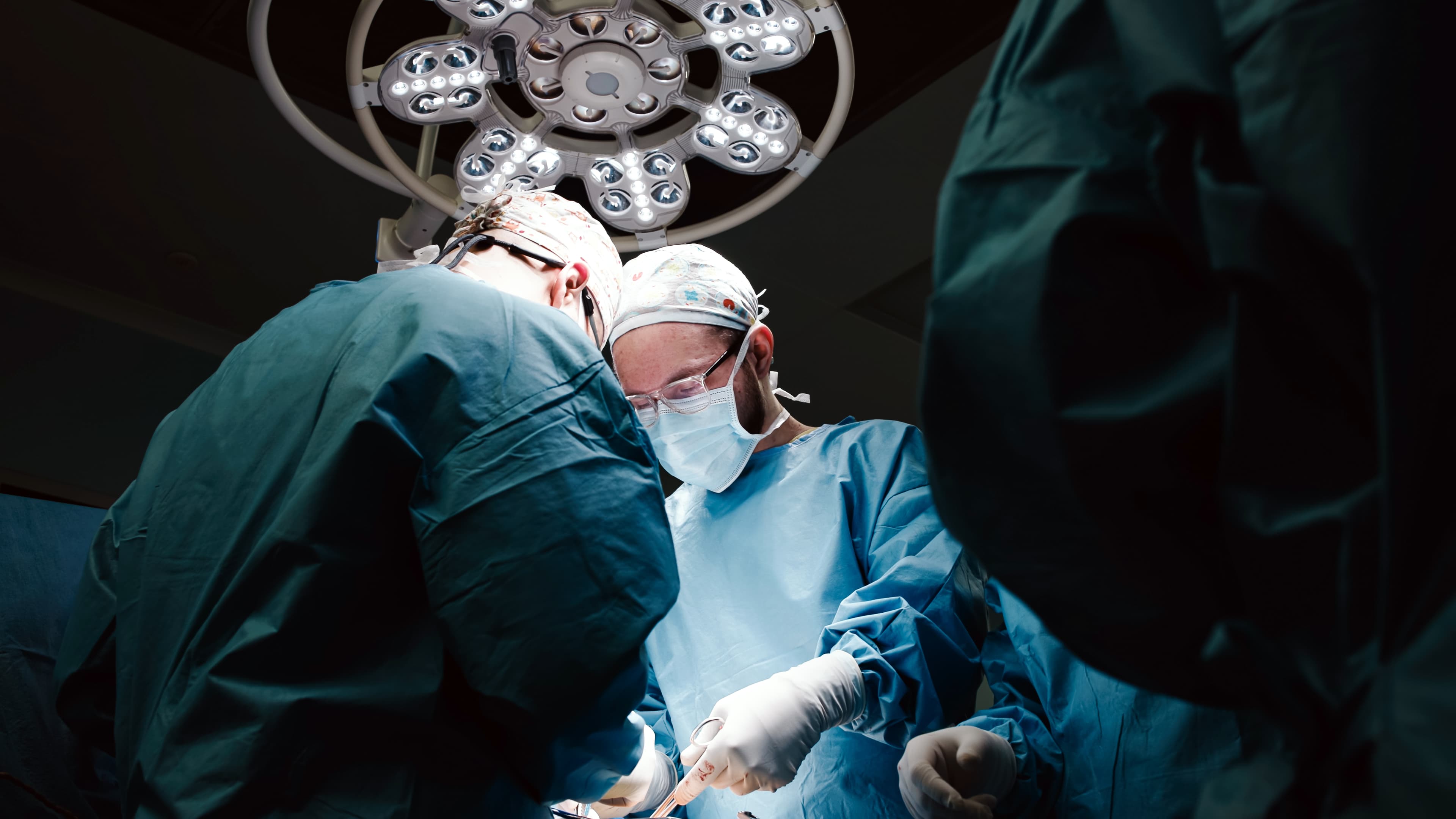
A neurosurgery fellowship can help doctors develop focused knowledge and advanced clinical skills beyond their core neurosurgical training. The exact skills you gain depend on the fellowship's subspecialty, curriculum, faculty, clinical exposure, and practical training. A fellowship should complement your existing qualifications and experience — it should not be assumed to replace residency-level specialist training or independently confer procedural competency.
14 Skill Areas Developed in Fellowship Training
Clinical Decision-Making
Assessing complex neurological presentations, identifying relevant clinical findings, developing differential diagnoses, evaluating treatment options, assessing surgical indications, weighing risks and benefits, planning perioperative management, recognizing potential complications, and participating in multidisciplinary decision-making.
Advanced Neuroimaging and Case Interpretation
CT brain, MRI brain, MRI spine, CT and MR angiography, cerebral angiography, diffusion imaging, perfusion imaging, and preoperative imaging — connecting clinical presentation, imaging findings, diagnosis, and treatment considerations.
Surgical Planning and Procedural Principles
Patient selection, surgical indications, preoperative assessment, surgical approaches, anatomical considerations, risk assessment, intraoperative planning, postoperative management, and complication prevention. Hands-on procedural training varies considerably between programs.
Neurotrauma Assessment and Management
Initial neurological assessment, traumatic brain injury, intracranial hemorrhage, skull fractures, spinal trauma, neurocritical care principles, imaging assessment, surgical indications, postoperative monitoring, and complication recognition.
Spine and Spinal Disorder Management
Degenerative spine disease, disc disorders, spinal stenosis, spinal trauma, spinal tumors, spinal deformities, myelopathy, radiculopathy, preoperative evaluation, and postoperative care.
Cerebrovascular Neurosurgery Skills
Intracranial aneurysms, arteriovenous malformations, intracranial hemorrhage, cerebral vascular disease, imaging interpretation, treatment principles, surgical decision-making, perioperative care, and multidisciplinary management.
Neuro-Oncology and Tumor Management
Tumor imaging interpretation, preoperative assessment, surgical planning principles, tumor classification concepts, multidisciplinary management, postoperative care, complication recognition, and patient counseling.
Perioperative and Postoperative Care
Preoperative optimization, patient risk assessment, neurological monitoring, postoperative assessment, infection prevention, complication recognition, ICU management principles, rehabilitation considerations, and follow-up planning.
Multidisciplinary Teamwork
Collaboration with neurologists, neuroradiologists, neuroanesthesiologists, oncologists, radiation specialists, critical care physicians, rehabilitation specialists, emergency physicians, and nursing teams — through tumor boards, case conferences, and treatment planning discussions.
Patient Communication and Counseling
Explaining diagnoses, discussing treatment options, explaining potential risks, communicating uncertainty, setting realistic expectations, discussing postoperative recovery, and supporting shared decision-making.
Evidence-Based Neurosurgical Practice
Reviewing medical literature, evaluating clinical studies, understanding treatment guidelines, comparing treatment approaches, assessing clinical outcomes, and applying evidence to patient scenarios — including critical appraisal of study design, populations, outcomes, and limitations.
Research and Academic Skills
Literature reviews, research methodology, clinical audits, case reports, retrospective studies, outcomes research, scientific writing, abstract preparation, and conference presentations — plus structured case presentation skills.
Surgical Technology Awareness
Concepts involving minimally invasive neurosurgery, neuronavigation, intraoperative imaging, neuroendoscopy, microsurgical techniques, stereotactic procedures, robotic or technology-assisted approaches, and advanced imaging — availability depends on the institution.
Professional and Leadership Skills
Clinical leadership, team coordination, teaching, mentoring, presentation, communication, time management, professional decision-making, and academic collaboration.
Skills You Gain by Subspecialty
| Fellowship Focus | Key Skills You May Develop |
|---|---|
| Spine Surgery | Spine assessment, imaging interpretation, surgical planning |
| Neurotrauma | Trauma assessment, emergency decision-making, perioperative care |
| Neuro-Oncology | Tumor assessment, imaging, multidisciplinary management |
| Cerebrovascular | Vascular imaging, treatment planning, neurovascular case management |
| Skull Base Surgery | Complex anatomy, imaging, surgical approach principles |
| Pediatric Neurosurgery | Pediatric assessment, congenital conditions, multidisciplinary care |
| Functional Neurosurgery | Functional disorders, patient selection, treatment planning |
| Neurocritical Care | Neurological monitoring, critical care principles, complication recognition |
The actual skills covered should always be confirmed against the fellowship curriculum.
Online vs Offline: Which Skills Can You Learn?
| Skill | Online | Offline |
|---|---|---|
| Theoretical knowledge | Strong potential | Strong potential |
| Case discussions | Yes, where included | Yes |
| Imaging interpretation | Yes | Yes |
| Clinical reasoning | Yes | Yes |
| Faculty interaction | Virtual | Face-to-face |
| Hospital exposure | Limited unless included | Usually greater |
| Surgical observation | Program-dependent | More likely in hospital-based programs |
| Hands-on training | Limited or program-dependent | More suitable when structured appropriately |
| Research skills | Yes | Yes |
An online fellowship can support academic and case-based learning, but doctors seeking practical procedural experience should verify whether supervised clinical training is included.
How to Make the Most of Your Fellowship
Getting the most from fellowship training requires active participation. In case discussions, do not simply listen — ask what the diagnosis is, which imaging findings matter, what the treatment options are, why surgery would be considered, what complications could occur, and what alternative approaches exist. Maintain a learning portfolio tracking cases discussed, modules completed, assessments, research activities, presentations, skills developed, and faculty feedback. And continue learning after the fellowship through professional education, conferences, research, peer-reviewed literature, and relevant clinical guidelines.
What Skills Should You Verify Before Enrolling?
- ✓What clinical skills are included?
- ✓Which procedures are covered?
- ✓Is hands-on training provided?
- ✓Where does practical training take place?
- ✓Who supervises the clinical component?
- ✓How many cases are discussed?
- ✓Is neuroimaging interpretation included?
- ✓Is research training included?
- ✓Are assessments conducted?
- ✓What skills should a learner demonstrate by completion?
A fellowship certificate does not automatically confer specialist registration, independent procedural privileges, or employment. Those depend on your qualifications, experience, local regulations, and institutional requirements.
Build Advanced Neurosurgery Skills
Explore MedFellow Academy's Fellowship Course in Neurosurgery and review the curriculum, eligibility, learning format, and clinical component before applying.
About Med Fellow Academy
MedFellow Academy provides structured, flexible fellowship courses for practicing doctors — combining evidence-based curriculum, expert faculty mentorship, and hands-on clinical training across 60+ specialties.