Career Opportunities After a Neurosurgery Fellowship
Med Fellow Academy
Medical Education Experts
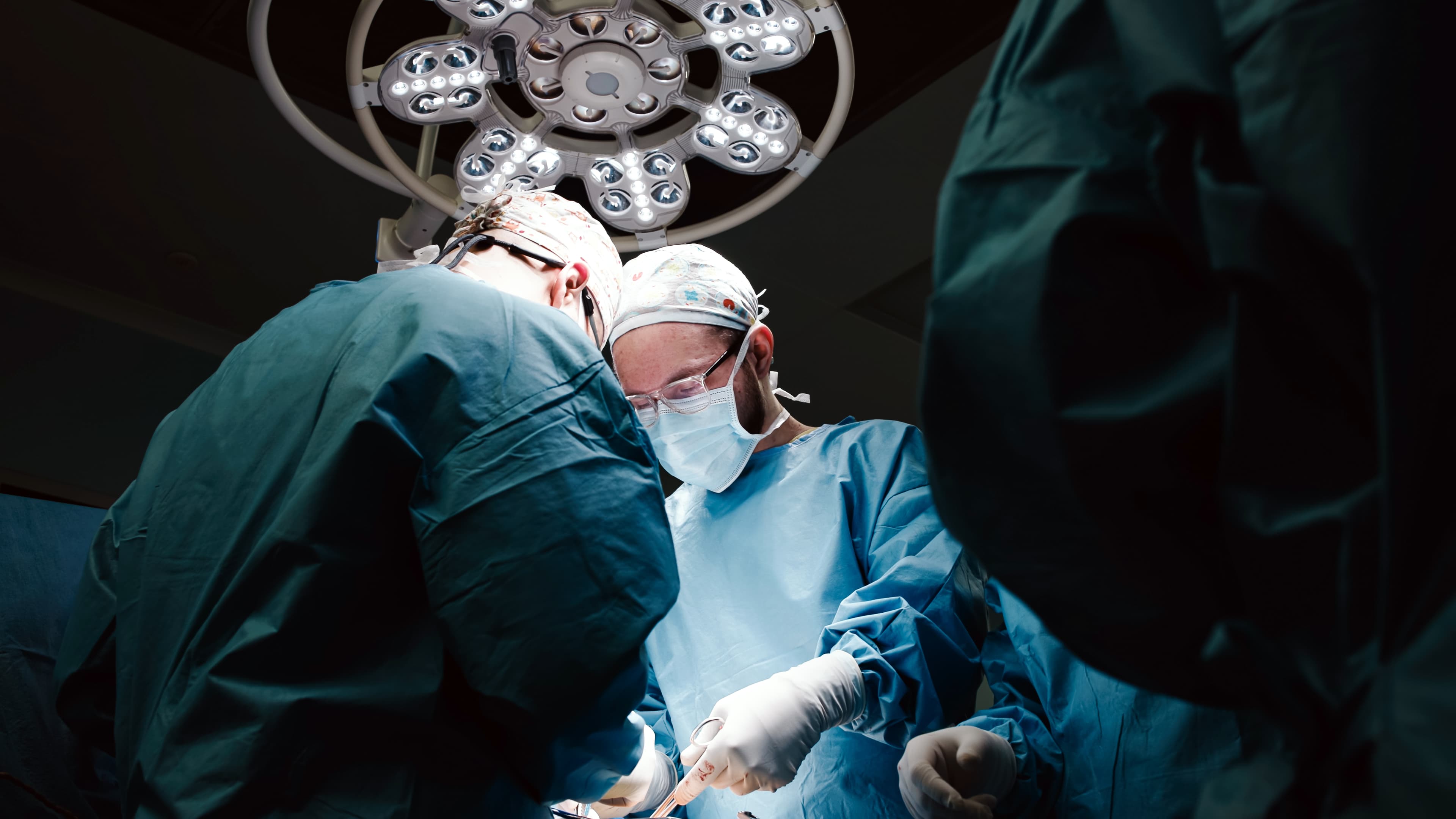
Completing a neurosurgery fellowship can help doctors develop focused knowledge in a specific area of neurosurgical practice. But what comes after fellowship? Career opportunities depend on several factors, including your existing medical qualification, specialist registration, clinical experience, fellowship focus, procedural training, employer requirements, and the regulations of the country where you plan to practise. A fellowship can strengthen your professional profile, but it should be viewed as advanced training rather than an automatic pathway to a particular job or specialist registration.
What Can You Do After a Neurosurgery Fellowship?
A fellowship can support several professional pathways depending on your background and area of specialization. Potential career directions include:
The exact opportunities available to you will depend on whether your fellowship provides academic training, clinical exposure, supervised practical experience, or a combination of these.
Build a Focused Neurosurgical Practice
One of the main reasons doctors pursue fellowship training is to develop deeper knowledge in a specific area. A spine-focused fellowship may support further development in degenerative spinal disorders, disc disease, spinal stenosis, spinal trauma, spinal tumors, deformity, and perioperative spine care. Doctors with focused training in neurotrauma may develop expertise in the assessment and management of traumatic brain and spinal injuries; a neuro-oncology pathway can involve multidisciplinary management of brain and spinal tumors; cerebrovascular training provides focused knowledge of aneurysms, vascular malformations, and intracranial hemorrhage; and pediatric neurosurgery involves multidisciplinary teams managing neurological conditions in children. Your ability to independently perform specific procedures will depend on your prior training, supervised experience, institutional privileges, and local regulations.
Hospital and Specialty Centre Opportunities
A neurosurgery fellowship may strengthen your profile when applying for appropriate positions in:
However, employers may have specific requirements for specialist registration, experience, recognized qualifications, and procedural competency. A fellowship alone should not be presented as a guarantee of employment.
Academic, Teaching & Research Opportunities
A fellowship can support an academic career pathway. Doctors with strong subject knowledge may explore opportunities involving medical teaching, resident education, case presentations, continuing medical education, academic conferences, clinical research, publications, journal clubs, and mentoring. Neurosurgery continues to evolve through research in minimally invasive techniques, neuroimaging, neuro-oncology, neurovascular disease, neurotechnology, and perioperative care — and fellowship training can provide a foundation for participating in clinical studies, retrospective and prospective research, systematic reviews, case reports, clinical audits, outcomes research, and academic publications. If research is important to your career plans, check whether the fellowship has structured research opportunities rather than assuming they are included.
Career Opportunities by Subspecialty
| Fellowship Focus | Potential Professional Direction |
|---|---|
| Spine Surgery | Spine-focused neurosurgical services |
| Neurotrauma | Trauma and emergency neurosurgical services |
| Neuro-Oncology | Brain and spinal tumor multidisciplinary teams |
| Cerebrovascular | Neurovascular and cerebrovascular services |
| Skull Base Surgery | Complex cranial and skull base services |
| Pediatric Neurosurgery | Pediatric neurological and neurosurgical services |
| Functional Neurosurgery | Specialized movement disorder and functional neurosurgical services |
| Neurocritical Care | Critical care for complex neurological and neurosurgical patients |
The availability of these roles varies by country, institution, qualification, and professional regulations.
Does a Neurosurgery Fellowship Improve Career Prospects?
A fellowship can strengthen your professional profile by demonstrating focused postgraduate learning. It may help you:
However, the impact of a fellowship varies. Employers may consider your primary qualification, specialist registration, years of experience, clinical competence, procedural experience, fellowship credential, and institutional requirements alongside the fellowship itself. A fellowship provides advanced education and focused exposure, but it sits within your overall training pathway alongside your medical degree, residency/specialist training, and any subspecialty practice or research training. Always check how a particular fellowship is treated by the relevant medical authority and employer.
Can a Fellowship Help International Neurosurgeons?
Doctors considering international careers should evaluate fellowship training alongside local licensing and credentialing requirements. Before using a fellowship for an international career move, check:
A fellowship certificate should not be assumed to replace the specialist qualification or licensing requirements of another country.
Skills That Can Support Career Growth
Career advancement is not only about obtaining a fellowship certificate. Useful skills may include:
To maximize your fellowship's career value, document your learning (modules, assessments, case discussions, research projects, presentations, clinical exposure), build your professional network (faculty, fellow doctors, neurosurgical societies, researchers, academic institutions), and continue evidence-based learning through peer-reviewed literature, conferences, professional meetings, clinical guidelines, and continuing medical education.
Questions to Ask Before Choosing a Fellowship
- ✓What career pathway is this fellowship designed to support?
- ✓What is the exact curriculum?
- ✓Who teaches the program?
- ✓What clinical exposure is included?
- ✓Is practical training provided?
- ✓What does the certificate represent?
- ✓Is the qualification recognized by my intended employer or regulator?
- ✓Does the program include research opportunities?
- ✓Can I continue working while studying?
- ✓What have previous learners gone on to do?
Plan Your Next Career Step
Choose a fellowship based on the career you want to build, not simply the certificate you want to obtain. Explore MedFellow Academy's Fellowship Course in Neurosurgery.
About Med Fellow Academy
MedFellow Academy provides structured, flexible fellowship courses for practicing doctors — combining evidence-based curriculum, expert faculty mentorship, and hands-on clinical training across 60+ specialties.