Reproductive Medicine Fellowship Curriculum: What Will You Learn?
Med Fellow Academy
Medical Education Experts
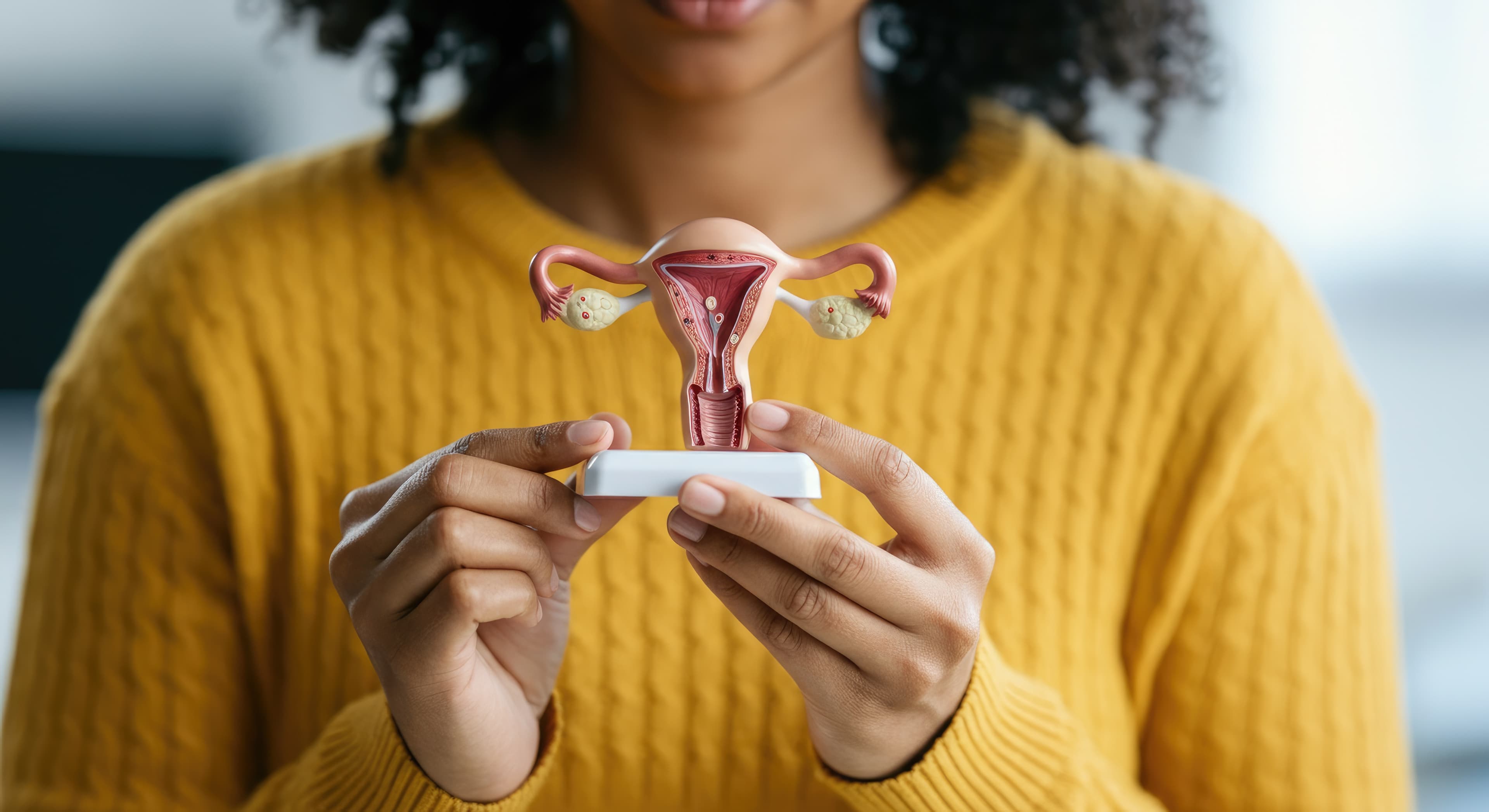
A reproductive medicine fellowship curriculum is designed to help doctors build advanced knowledge in infertility evaluation, reproductive endocrinology, assisted reproductive technology, fertility preservation, embryology, reproductive ultrasound, and evidence-based fertility care. Fellowship curricula vary considerably between institutions, so it is important to understand what you will actually learn, how the curriculum is delivered, and how the knowledge can support your professional goals.
Understand the Reproductive Medicine Curriculum
A comprehensive curriculum should progress from the fundamentals of human reproduction to advanced infertility management and assisted reproductive technology. Depending on the institution, the curriculum may include:
Curriculum Modules in Detail
Foundations of Reproductive Medicine
Female and male reproductive anatomy, gametogenesis, follicular development, ovulation, menstrual cycle physiology, spermatogenesis, fertilization, implantation, hormonal regulation, and reproductive aging.
Infertility Evaluation
Infertility history, female and male fertility assessment, ovulatory evaluation, ovarian reserve, tubal and uterine factors, semen analysis, endocrine investigations, imaging, and genetic evaluation when indicated.
Female & Male Infertility
Ovulatory disorders, diminished ovarian reserve, endometriosis, tubal factors, uterine abnormalities, PCOS, recurrent pregnancy loss, unexplained infertility — plus semen analysis, oligospermia, azoospermia, hormonal evaluation, varicocele, genetic factors, and sperm retrieval concepts.
Reproductive Endocrinology
Hypothalamic-pituitary-ovarian axis, gonadotropins, estrogen and progesterone, prolactin and thyroid disorders, hyperandrogenism, ovulatory dysfunction, premature ovarian insufficiency, PCOS, luteal function, and hormonal evaluation.
Ovulation Induction & IUI
Patient selection, treatment indications, ovulation monitoring, follicular tracking, medication principles, trigger timing, cycle monitoring, multiple pregnancy risk, ovarian hyperstimulation considerations, sperm preparation, and timing of insemination.
IVF, ICSI and ART
Controlled ovarian stimulation, follicular monitoring, trigger protocols, oocyte retrieval, sperm preparation, fertilization, embryo culture, embryo transfer, cryopreservation, frozen embryo transfer, ART complications, and treatment outcome assessment.
Embryology & IVF Laboratory Basics
Oocyte biology, sperm preparation, fertilization, embryo development, embryo grading, embryo culture, cryopreservation, thawing principles, embryo transfer considerations, and laboratory quality control.
Fertility Preservation
Oocyte, sperm, and embryo cryopreservation; fertility preservation before medical treatment; age-related fertility preservation; counseling and patient selection; and preservation planning.
Reproductive Ultrasound
Antral follicle count, ovarian morphology, follicular monitoring, endometrial assessment, uterine evaluation, identification of common pelvic abnormalities, and monitoring before fertility procedures.
Reproductive Genetics
Genetic causes of infertility, chromosomal abnormalities, recurrent pregnancy loss, genetic counseling principles, preimplantation genetic testing concepts, testing indications, and family history assessment.
Recurrent Pregnancy Loss & Endometriosis
Systematic evaluation of maternal, uterine, endocrine, genetic, and immunological factors; evidence-based management; and how endometriosis influences fertility decisions and IVF considerations.
Counseling, Ethics & ART Complications
Informed consent, shared decision-making, success-rate and risk communication, donor conception considerations, confidentiality, ovarian hyperstimulation syndrome, multiple pregnancy, procedure-related complications, and recurrent treatment failure.
Skills You Learn During the Fellowship
Depending on the program's structure and clinical exposure, skills may include:
Fertility Assessment Skills
Clinical Decision-Making Skills
Training may also build ART knowledge and treatment planning (ovulation induction, IUI, IVF, ICSI, embryo transfer, cryopreservation, ART protocols, treatment monitoring) and patient counseling skills around treatment expectations, success rates, risks, fertility preservation, ART options, emotional considerations, and shared decision-making. The exact procedures and level of independent clinical responsibility depend on the fellowship and applicable professional regulations.
Evidence-Based Practice & Research
Modern fertility practice changes rapidly, so a good fellowship should teach doctors how to evaluate current evidence rather than rely only on traditional protocols — evidence-based medicine, clinical guidelines, research interpretation, journal appraisal, treatment outcome analysis, and emerging reproductive technologies. Some fellowships also include research methodology, biostatistics, literature reviews, journal clubs, clinical research, case reports, research projects, scientific presentations, and publication principles.
How Is the Curriculum Usually Delivered?
Online Learning
Live lectures, recorded sessions, digital study material, virtual case discussions, online assessments, and faculty interaction.
Offline Learning
Classroom teaching, hospital-based learning, clinical case discussions, procedure observation, practical sessions, and direct faculty mentoring.
Hybrid Learning
Online academic learning combined with offline clinical or practical exposure — a balance of flexibility and applied learning when the clinical component is clearly defined.
How to Evaluate a Fellowship Curriculum
Not every curriculum with a long list of subjects provides comprehensive training. Before joining, ask:
- ✓How many hours are dedicated to each major topic?
- ✓Are there clinical case discussions?
- ✓How much practical exposure is included?
- ✓Is ultrasound training included?
- ✓Is IVF laboratory exposure available?
- ✓Are faculty members experienced fertility specialists?
- ✓Are assessments conducted throughout the program?
- ✓Is research included?
- ✓Are recorded sessions available?
- ✓Can working doctors complete the program alongside clinical practice?
What Should a Good Fellowship Curriculum Include?
| Curriculum Area | What to Look For |
|---|---|
| Infertility | Comprehensive male and female evaluation |
| Reproductive endocrinology | Hormonal and ovulatory disorders |
| ART | IVF, ICSI, IUI and treatment planning |
| Embryology | Fertilization, embryo development and cryopreservation |
| Ultrasound | Follicular and reproductive assessment |
| Fertility preservation | Oocyte, sperm and embryo preservation |
| Genetics | Genetic evaluation and counseling principles |
| Recurrent loss | Structured evidence-based evaluation |
| Endometriosis | Fertility-focused management |
| Counseling | Patient communication and informed consent |
| Complications | Recognition and management principles |
| Research | Evidence-based practice and research methodology |
| Assessment | Structured evaluation of learning |
Who Can Benefit From This Training?
Depending on the program's eligibility criteria, reproductive medicine fellowship training may be suitable for obstetricians and gynecologists, doctors with postgraduate training in Obstetrics and Gynecology, doctors working in fertility clinics, gynecologists planning to expand into fertility care, doctors interested in reproductive endocrinology, and physicians seeking advanced ART knowledge. Always check the specific eligibility requirements of the fellowship you are considering.
Build Your Reproductive Medicine Expertise
Review the MedFellow Academy Fellowship in Reproductive Medicine curriculum and discover how the program can fit your professional learning goals.
About Med Fellow Academy
MedFellow Academy provides structured, flexible fellowship courses for practicing doctors — combining evidence-based curriculum, expert faculty mentorship, and hands-on clinical training across 60+ specialties.