Online vs Offline Oral Implantology & Laser Dentistry Fellowship: Which One Is Right for You?
Med Fellow Academy
Medical Education Experts
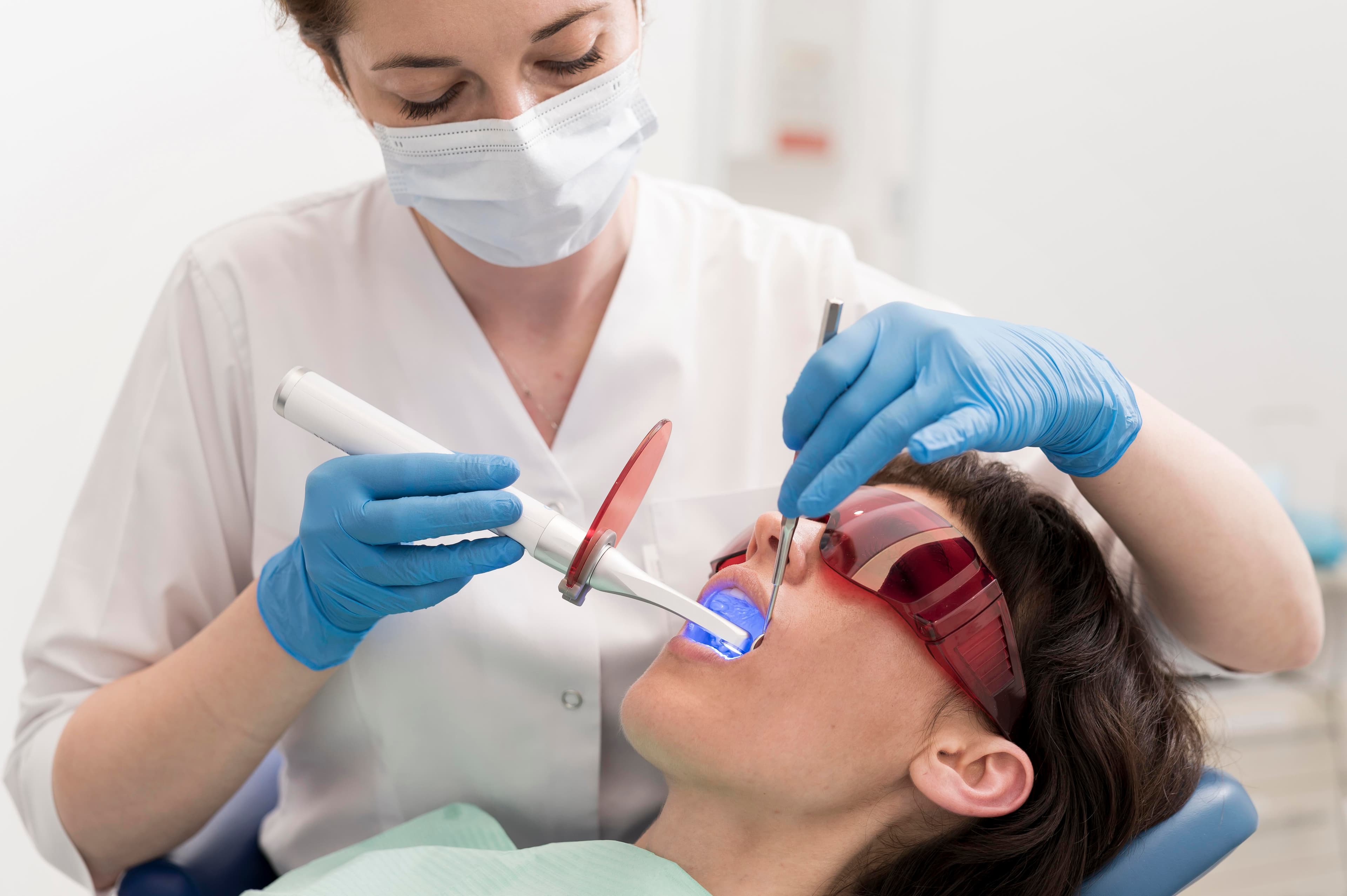
Choosing between an online and an offline fellowship is one of the most common questions asked by dentists looking to advance their knowledge in implantology and laser dentistry. While both formats aim to improve clinical understanding, the learning experience, flexibility, costs, and accessibility can vary significantly.
Key Takeaways
- ✓ Online fellowships suit working dentists who cannot step away from practice
- ✓ Offline fellowships suit dentists who prefer classroom-based, face-to-face learning
- ✓ Curriculum quality and faculty expertise matter more than the delivery format
- ✓ Online formats are often more cost-effective once travel and stay are factored in
For practicing dentists, the ideal fellowship should provide structured academic learning, expert faculty guidance, case-based discussions, and the flexibility to continue treating patients. Understanding the strengths and limitations of each learning model can help you make an informed decision based on your career goals and professional commitments.
What Is an Online Oral Implantology & Laser Dentistry Fellowship?
An online fellowship delivers academic content through live virtual classes, recorded lectures, digital study materials, and interactive case discussions. Many programs also include optional clinical observerships or hospital attachments to complement theoretical learning.
- ✓Learn from any location
- ✓Weekend or evening classes
- ✓Recorded sessions for revision
- ✓Faculty interaction through virtual platforms
- ✓Flexible schedule for working dentists
- ✓Access to digital learning resources
- ✓Continuous academic support
Online fellowships are particularly suitable for dentists who want to upgrade their knowledge without interrupting their clinical practice.

What Is an Offline Fellowship?
An offline fellowship typically requires participants to attend classroom sessions or hospital-based training at scheduled intervals. These programs often involve in-person lectures, demonstrations, and direct interaction with faculty and peers.
- ✓Face-to-face teaching
- ✓Hands-on demonstrations
- ✓Fixed academic schedule
- ✓Clinical discussions in a classroom setting
- ✓Direct networking opportunities
Offline learning can be beneficial for participants who prefer classroom-based education and are able to dedicate time away from their regular practice.
Online vs Offline Oral Implantology & Laser Dentistry Fellowship
| Feature | Online Fellowship | Offline Fellowship |
|---|---|---|
| Flexibility | Learn while continuing practice | Fixed schedule with travel |
| Accessibility | Available from anywhere | Location dependent |
| Recorded Classes | Usually available | Rarely available |
| Faculty Interaction | Live online sessions and mentorship | In-person during scheduled classes |
| Clinical Case Discussions | Regular virtual discussions | Classroom discussions |
| Travel Requirements | None for academic sessions | Frequent travel may be required |
| Cost | Often lower overall due to reduced travel and accommodation | Higher overall expenses because of travel and stay |
| Suitable for Working Dentists | Excellent | Depends on work schedule |
| Learning Pace | Flexible with revision opportunities | Limited to classroom schedule |
| Work-Life Balance | Easier to maintain | May require leave from practice |
Which Learning Format Offers Better Clinical Value?
The value of a fellowship depends less on whether it is online or offline and more on the quality of the curriculum, faculty expertise, mentorship, and opportunities for case-based learning. A high-quality online fellowship can provide excellent academic value when it includes:
- ✓Structured modules
- ✓Experienced faculty
- ✓Interactive case discussions
- ✓Evidence-based curriculum
- ✓Continuous learner support
- ✓Optional clinical exposure, where applicable
Similarly, an offline program should offer more than observational sessions by providing meaningful academic engagement and opportunities for discussion.
Which Fellowship Is Better for Practicing Dentists?
Online Fellowship May Be Better If You:
- • Own or manage a dental practice
- • Work in a hospital or clinic
- • Cannot relocate for long periods
- • Want flexible learning hours
- • Prefer recorded lectures for revision
- • Need to balance family and professional responsibilities
Offline Fellowship May Be Better If You:
- • Prefer face-to-face classroom interaction
- • Can dedicate time for scheduled training
- • Are comfortable travelling regularly
- • Learn best through in-person teaching
Questions to Ask Before Choosing Any Fellowship
Before enrolling, ask the following:
- ✓Is the curriculum comprehensive?
- ✓Are the faculty experienced?
- ✓Does the program include case-based discussions?
- ✓Are recorded sessions available?
- ✓Is the learning schedule suitable for working professionals?
- ✓What academic support is provided?
- ✓Is the certification clearly defined?
- ✓Does the program align with your career goals?
These questions will help you compare programs beyond their delivery format.
Choosing between an online and offline Oral Implantology & Laser Dentistry Fellowship depends on your professional commitments, learning preferences, and long-term career goals. For many practicing dentists, a flexible online fellowship with a structured curriculum, experienced faculty, and interactive case discussions provides an effective way to advance their knowledge without stepping away from clinical practice.
Compare the Fellowship Curriculum and Apply Today
Explore MedFellow Academy's flexible Fellowship in Oral Implantology & Laser Dentistry — structured for practicing dental professionals.
About Med Fellow Academy
MedFellow Academy provides structured, flexible fellowship courses for practicing doctors — combining evidence-based curriculum, expert faculty mentorship, and hands-on clinical training across 60+ specialties.